Insurance Claims - FSR Roofing
Insurance Claims

We Help You Through Every Step of Your Insurance Claim

Storm damage is stressful enough. Let FSR handle the roof side of things.

FSR Roofing has helped hundreds of Central Texas homeowners navigate the insurance claims process from start to finish. Whether you are dealing with hail damage, wind damage, or fallen debris, we know how the process works and we make sure you get what you are owed. This page walks you through every step so you know exactly what to expect.

01

Document the Damage Right Away

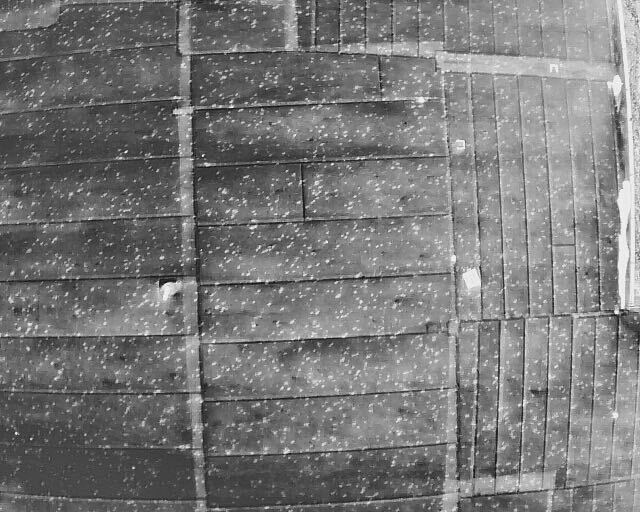
After a storm, photograph everything before anything gets cleaned up or repaired. Missing shingles, dented gutters, cracked vents, debris on the ground. Insurance companies look at the date of loss. The sooner you document, the stronger your claim.

Documenting storm damage to a roof
02

Get a Professional Inspection Before You Call Your Insurance Company

Have a roofing contractor inspect your roof first. A professional finds damage that is not visible from the ground and gives you documentation that supports your claim. FSR offers free storm damage inspections across Central Texas.
FSR contractor inspecting a roof
03

File Your Claim

Call your homeowners insurance provider and open a claim. Have your policy number ready. Give them the date of the storm and a description of the damage. They will assign an adjuster to evaluate your roof.

Homeowner filing an insurance claim
04

Have Your Contractor Present at the Adjuster Inspection

When the adjuster comes out, have your roofing contractor there too. A good contractor points out damage the adjuster might miss and advocates on your behalf.

Contractor meeting with insurance adjuster on roof
05

Review Your Scope of Loss

Your insurer sends an estimate called a Scope of Loss. Review it carefully. If anything seems low or is missing, you have the right to dispute it. Your contractor can help you identify gaps.

Reviewing insurance scope of loss documents

ACV vs RCV

Your insurance policy covers your roof at one of two values. Understanding the difference matters when budgeting for your project.

Actual Cash Value (ACV)

ACV policies account for depreciation. That means your insurance payout reflects the current value of your roof, not what it costs to replace. If your roof is 15 years old, the payout will be significantly less than a full replacement. You pay the difference out of pocket on top of your deductible.

Replacement Cost Value (RCV)

RCV policies cover the full cost to replace your roof with materials of similar kind and quality. You still pay your deductible, but the insurance company covers the rest. RCV policies give you the most financial protection when storm damage hits.

Know Your Rights as a Texas Homeowner

You Choose Your Contractor

Your insurer cannot force you to use their preferred vendor. Texas law gives you the right to hire any licensed roofing contractor you want.

No One Can Waive Your Deductible

Contractors cannot waive your deductible. Any company that offers to do that is breaking Texas law. Walk away from that deal.

You Can Dispute Your Scope of Loss

If you believe damage was missed or the estimate is too low, you have the right to request a re-inspection or invoke the appraisal clause in your policy.

Frequently Asked Questions

A denial is not always final. You can request a re-inspection, hire a public adjuster, or invoke the appraisal clause in your policy. FSR can help you understand your options.

Most claims resolve in 2 to 6 weeks depending on your insurer and the extent of the damage. Having thorough documentation and a contractor who knows the process speeds things up.

No. Texas law gives you the right to choose your own licensed roofing contractor.

Your deductible is your out of pocket share of the repair cost. You pay it directly to your contractor, not your insurance company. Be wary of any contractor who offers to waive it.

Not Sure Where to Start?

We have walked hundreds of Central Texas homeowners through this process. Reach out and we will help you understand your options at no cost.

Schedule a Free Inspection Contact Our Team