Your roof does not fail overnight. It sends signals for months before a serious problem develops. If you own a home in Central Texas, knowing those signals early is the difference between a manageable repair and a full emergency replacement. Here is what to look for.
Shingle Damage You Can See From the Ground
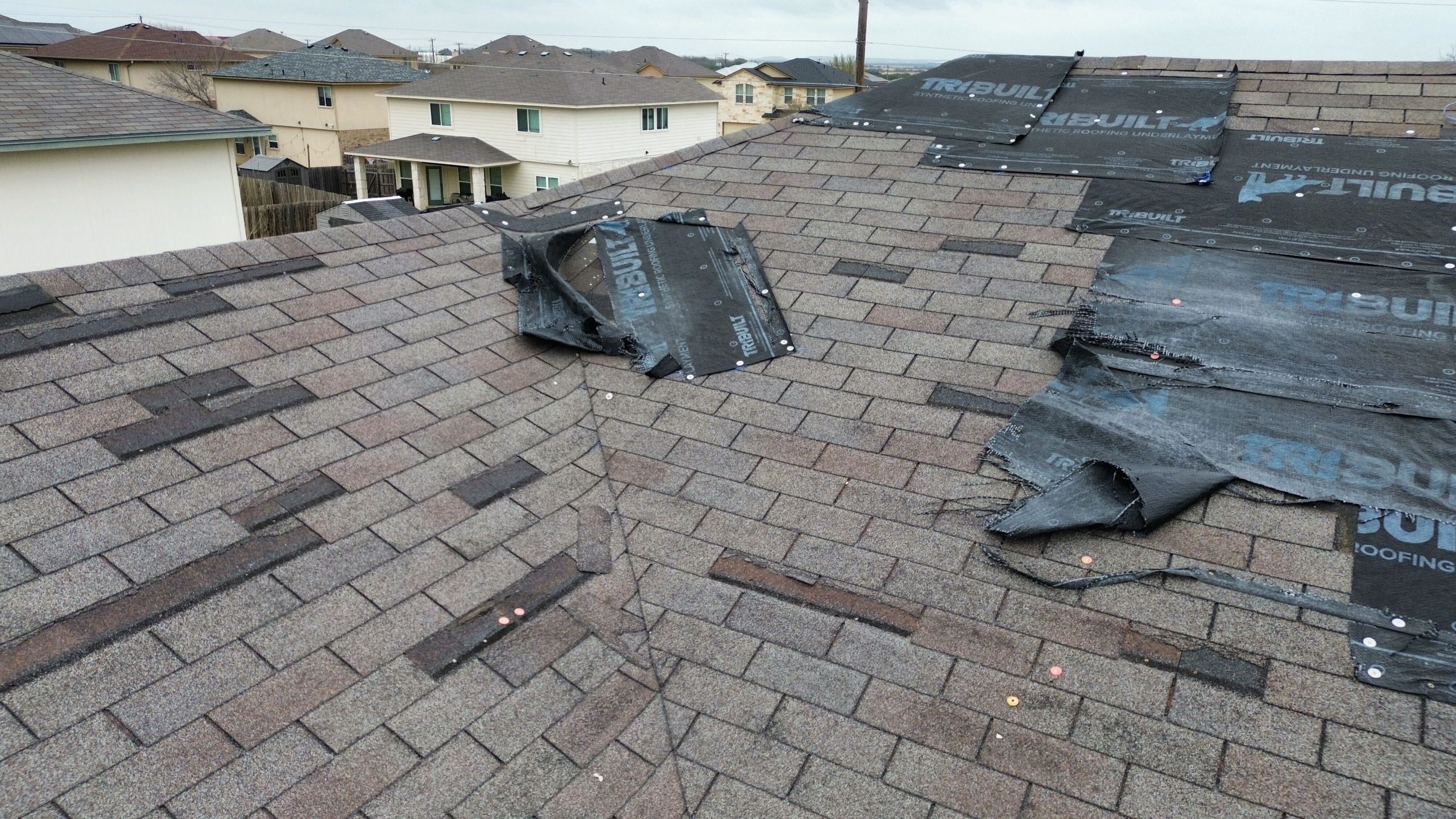
Walk the perimeter of your home and look up. Shingles that curl at the edges, crack across the surface, or go missing entirely are telling you the roof is failing. Granule loss is another clear sign. After a storm, check your gutters. If you find dark sandy granules collecting at the downspouts, your shingles are breaking down and exposing the base mat underneath.
In Central Texas, hail accelerates this process significantly. A roof that might last 25 years in a mild climate can show serious wear in 15 years here due to repeated hail and intense summer heat.
The Age of Your Roof
Standard asphalt shingles last 20 to 25 years. If your roof is in that range and has not been inspected recently, schedule one now. An older roof that looks fine from the street can have compromised flashing, cracked ridge caps, and backed-out nails that only a trained inspector will catch.
If you do not know the age of your roof, check your home inspection report from when you purchased the property. Your insurance records may also contain that information.
Water Stains on Your Ceiling or Walls
Brown stains on interior walls or ceilings mean water is getting in somewhere. This does not always require a full replacement, but it always requires an immediate inspection. Water intrusion that goes unaddressed causes structural damage to decking, insulation, and framing. A small leak addressed early is a repair. The same leak ignored for a season becomes a major project.
Sagging Areas on the Roof Surface
A roof that sags in any section has structural damage. This is most commonly caused by prolonged moisture exposure that weakens the decking beneath the shingles. Sagging requires immediate professional attention. Do not wait on this one.
Storm Damage You Cannot See From the Ground
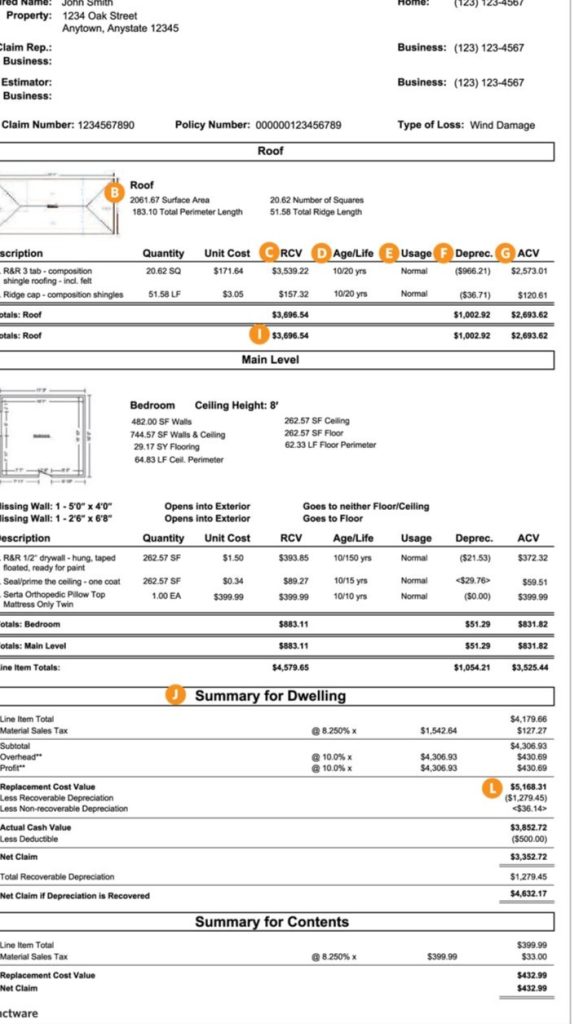
Central Texas hail and wind events frequently cause damage that is invisible without getting on the roof. Hail bruises shingles in a way that looks minor from 20 feet but creates fractures that let water in over time. If your neighborhood experienced a significant storm in the last two years and your roof has not been inspected since, you may have damage you do not know about.
Many valid insurance claims go unfiled every year because homeowners assumed no visible damage meant no damage at all.
Flashing Failures Around Chimneys and Vents
The metal flashing that seals the joints around chimneys, vents, and skylights is one of the first places a roof fails. If your flashing is cracked, rusted, or pulling away from the surface, water finds its way in even when the shingles themselves are in reasonable shape. If you have skylights it’s usually a matter of when, not if.
How Long Has It Been Since Your Last Inspection
If the answer is more than two years, that alone is reason enough to schedule one. FSR Roofing offers free inspections for homeowners across Central Texas. Our team will give you an honest assessment of what your roof actually needs, whether that is a targeted repair or a full replacement.
When Repair Is Not Enough
Some situations call for repair rather than replacement. A few damaged shingles after an isolated storm, minor flashing issues, or a single leak with a clear source are all repairable. But if your roof is over 20 years old, has widespread granule loss, or has sustained hail damage across a large area, replacement gives you better long term value than repeated repairs on a failing system.
Frequently Asked Questions
How do I know if my roof needs replacing or just repair? Age and the scope of damage determine this. A roof under 15 years old with localized damage is usually a repair candidate. A roof over 20 years old with widespread wear or storm damage across multiple sections is typically a replacement.
How long does a roof replacement take in Central Texas? Most residential replacements take one to two days depending on the size and pitch of the roof. FSR handles permitting and haul away as part of the project.
Does homeowners insurance cover roof replacement in Texas? Texas homeowners insurance typically covers storm damage including hail and wind. Age and maintenance related wear are generally not covered. An inspection and proper documentation are the first steps in any claim.
How do I find a reputable roofing contractor in Central Texas? Look for a licensed and insured contractor with verifiable local references. FSR Roofing is GAF Master Elite certified and has served Central Texas since 2018. Contact us for a free inspection.
Get your free roof inspection from the FSR team.
Schedule Free Inspection