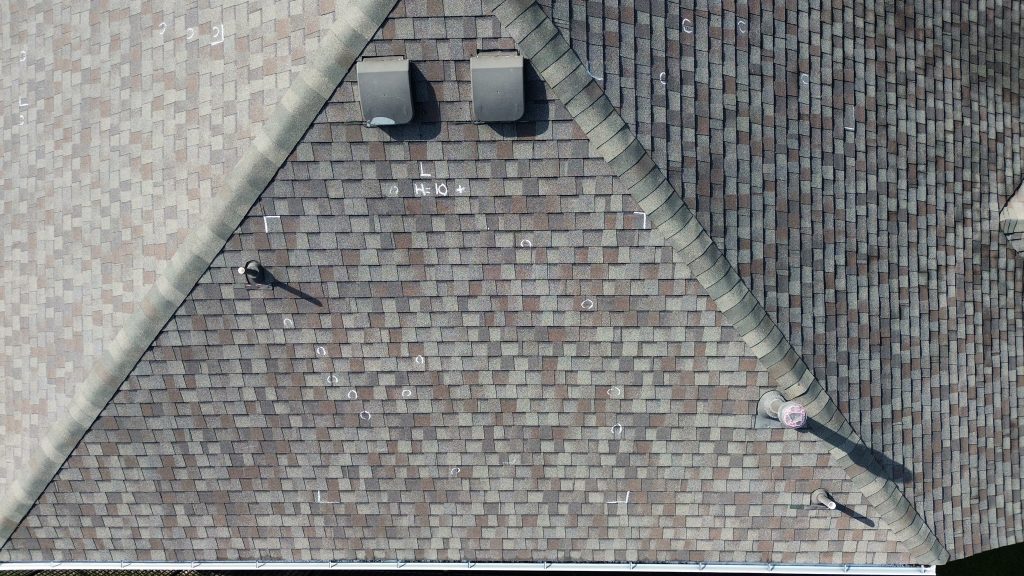
Texas sees more hail damage claims than almost any other state. When a storm rolls through Central Texas, thousands of homeowners face the same question: what do I do now? The insurance claims process is not complicated, but it has steps that matter. Here is how it works.
Start With an Independent Inspection
Do not wait for your insurance company to send someone before you get your own inspection. Contact a roofing contractor you trust and have them document the damage first. At FSR Roofing, we provide free inspections and detailed photo documentation for homeowners across Central Texas after storm events.
Having your own documentation before the adjuster arrives puts you in a stronger position throughout the process.
File Your Claim Promptly
Texas law requires insurance carriers to acknowledge your claim within 15 days of filing. Most carriers move faster than that. File your claim as soon as you have documentation. Delays can complicate your case, particularly if additional weather events occur before your claim is resolved.
When you call to file, have your policy number ready and a brief description of the storm event and the visible damage.
The Adjuster Visit
Your insurance company will assign an adjuster to assess the damage in person. You have the right to have your roofing contractor present during this visit. Exercise that right. Adjusters work quickly and cover many properties. A contractor who knows what storm damage looks like will identify items the adjuster may miss, including soft metal damage on vents and gutters, flashing issues, and hail bruising patterns on shingles.
Understanding the Xactimate Estimate
Insurance companies use software called Xactimate to generate repair estimates. The system pulls regional pricing data and produces a line item estimate for the work required. The number in the initial estimate is rarely final.
Your contractor should review the estimate carefully and submit a supplement if items are missing or underpriced. Common supplements include code required upgrades, permit fees, additional decking damage discovered during installation, and proper disposal costs. Supplementing is a normal and expected part of the claims process. A contractor who does not supplement on your behalf is leaving money on the table.
Your Deductible
Your deductible is the amount you pay before insurance covers the rest. In Texas, many policies now use a percentage based deductible for wind and hail damage rather than a flat dollar amount. A 2 percent deductible on a $400,000 home means an $8,000 out of pocket expense. Review your policy before you file so you know what to expect.
What to Watch For
Avoid any contractor who offers to cover your deductible or reduce your out of pocket cost in exchange for your business. Waiving a deductible is insurance fraud under Texas law. It puts you at risk, not just the contractor.
Work with a licensed and insured contractor who charges the full amount covered by insurance and applies your deductible as your policy requires.
How FSR Handles the Process
FSR Roofing works directly with insurance adjusters and handles documentation, supplementing, and communication on your behalf. You should not have to navigate this alone. Our team has processed hundreds of storm damage claims across Central Texas and we know what adjusters look for and what they miss.
If your home sustained storm damage, contact FSR Roofing for a free inspection. We will walk you through every step from the first call to the final nail.
Frequently Asked Questions
How long does a roofing insurance claim take in Texas? Most claims resolve in 30 to 60 days from filing to payment. Complex claims with supplements can take longer. Texas law gives carriers 15 business days to accept or deny a claim after receiving all required documentation.
What if my insurance claim is denied? You have the right to dispute a denial. Start by requesting a written explanation of the denial from your carrier. Your contractor can provide additional documentation to support an appeal. You also have the option to hire a public adjuster who works on your behalf for a percentage of the claim payout.
Does filing a hail damage claim raise my rates in Texas? Texas law prohibits carriers from raising your rates solely because you filed a weather related claim. However, policies and carriers vary. Review your policy and ask your agent directly.
How do I know if my roof has hail damage? Hail damage is not always visible from the ground. Signs include granule loss in gutters, dents on soft metals like vents and gutters, and bruising on shingles that you can feel but may not clearly see. A free inspection from FSR will give you a definitive answer. Schedule yours here.
Get your free roof inspection from the FSR team.
Schedule Free Inspection